The biggest disruption in tech may not be that AI can do what big software companies do. It’s that AI is making it possible for more people to try.
For years, professional creative software rules seemed settled. Adobe dominated design and video, Microsoft ruled office productivity, and ElevenLabs pioneered AI voices. Building alternatives required massive engineering teams and years of capital.
Then AI-assisted software development changed the economics of software development. Smaller developers and “vibe coders” started launching open-source applications that recreate familiar professional workflows.
The Creative Software Giants Have Company
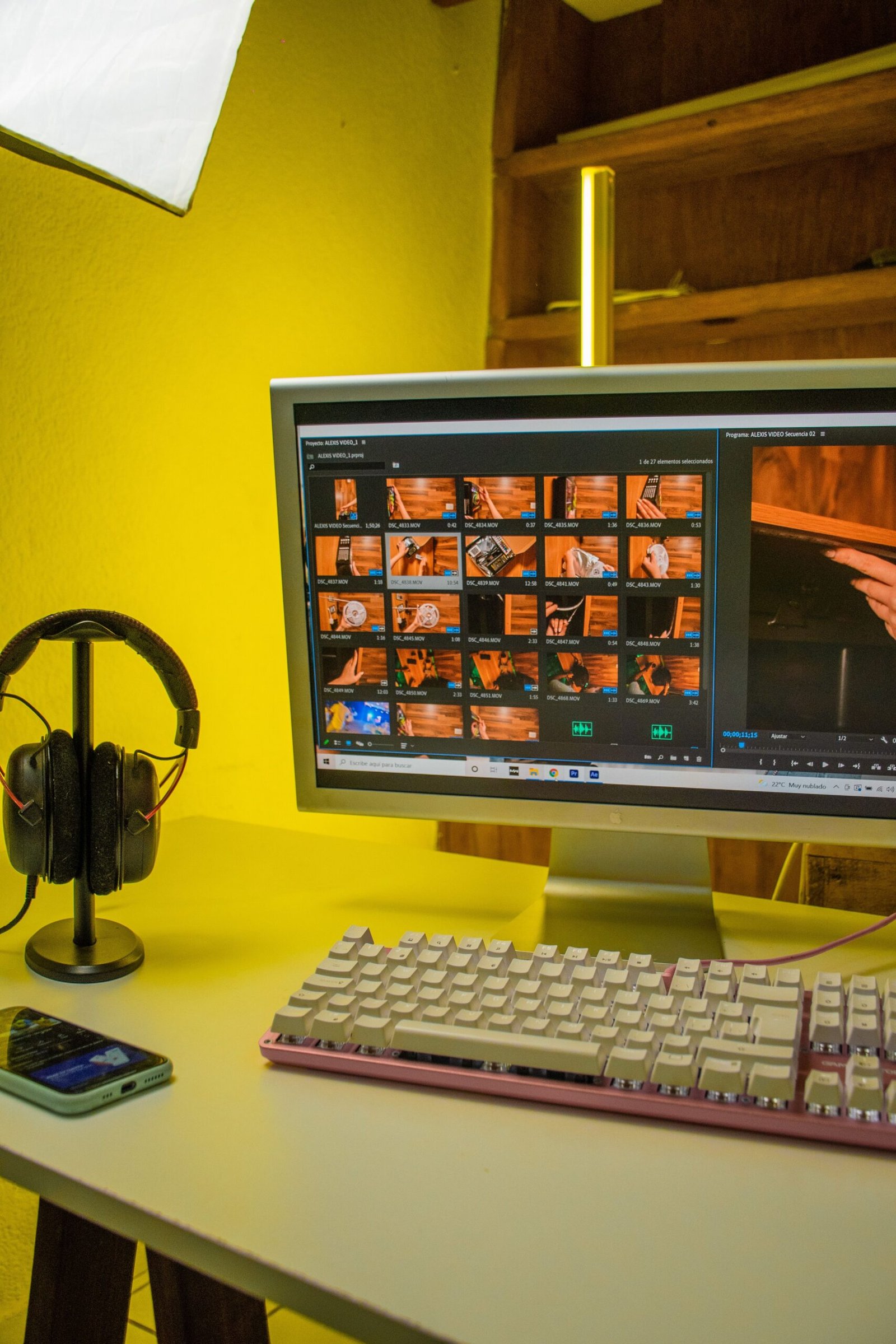
pexels amar 11120517
Led by projects like ArtCraft (official website | GitHub organization), a wave of open-source “clean-room” tools has arrived. Their lineup mimics industry standards:
- PhotoCraft (GitHub) — Photoshop alternative
- LightCraft (GitHub) — Lightroom alternative
- VectorCraft (GitHub) — Illustrator alternative
- FilmCraft (GitHub) — Premiere Pro alternative
While these apps mimic familiar left-hand toolbars and layers panels, users should not mistake familiar interfaces for complete feature parity. They are free, but they are still evolving.
How to Install ArtCraft Applications.

3d claymation style portrait creator.jpg
Because these projects are distributed as source code repositories on GitHub rather than pre-packaged installers, setting them up requires compiling them locally using Rust:
- Install Prerequisites: Ensure you have Git and the Rust toolchain installed (
curl --proto '=https' --tlsv1.2 -sSf [https://sh.rustup.rs](https://sh.rustup.rs) | sh). - Clone the Repository: Clone your chosen tool from GitHub (e.g.,
git clone [https://github.com/storytold/photocraft.git](https://github.com/storytold/photocraft.git)andcd photocraft). - Build the Application: Compile the project in release mode via
cargo build --release. - Run the Application: Launch the executable located in the
target/releasedirectory.
The Open-Source Advantage & Security Risks
While open-source software offers freedom from subscription locks, AI-generated repositories carry distinct trade-offs:
- Security Gaps: Traditional suites have decades of enterprise security auditing. AI-generated code can sometimes harbor memory safety bugs or architectural flaws.
- Feature Gaps: They lack the deep hardware acceleration, advanced filters, and robust file compatibility of native production software.
- Telemetry & Privacy: Always audit code for unexpected network check-ins or third-party tracking. Run
cargo auditto check dependencies, and use tools like OpenSnitch ormitmproxyto monitor outbound traffic before trusting them with client work.
What This Means for Creative Businesses in Africa
3d animated frog character creator fashion.jpg
For agencies, freelancers, and independent creators in Kenya and across Africa, software subscriptions are a heavy recurring expense. Credible open-source alternatives offer a way to cut costs, but affordability must be weighed against internet bandwidth, hardware specs, and local-language support.
Three immediate steps for creators:
- Audit software spending: Identify underused subscriptions.
- Test on low-risk tasks: Use free alternatives for drafts and internal concepts before risking client deliverables.
- Build AI evaluation skills: Learn how to test software, verify outputs, and protect data privacy.
The question is no longer who has the biggest software budget. It is who will build something people want to use, at a price they are willing to pay.
Get the Lastest in Communication- Media and the Latest tools
Subscribe to our email newsletter to get the latest posts delivered right to your email.
Comments