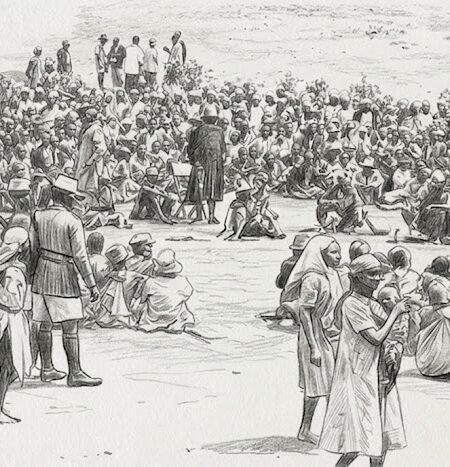
It started with a walk around the farm where I grew up. The same fields that watched me go from a scrawny girl to a grown woman.
Nobody talks much about where they come from. My story is a bit different.
We moved from Kirinyaga to Nyeri, then my parents hit a wall over Laikipia. My father had real concerns: no piped water, no schools nearby, and his youngest daughter left to grow up in open fields. My mother, that quiet, stubborn woman from Muranga, made her own decision. She moved. Just like that.
At that time, I interpreted it as boldness. Later I understood it was a serious fracture between them.
I was tired of the constant fighting at home, so I went to boarding school. My mother got her reprieve and moved to Laikipia by what I now call an act of faith. No house built. An empty field.
During school holidays, we fetched water from dams, added chlorine, and shut the doors early. Elephants came at night. Hyenas kept their distance but not by much. You had to keep dogs. The Maasai and Samburu communities had used that land for pasture for generations. We were cultivators. They grazed their herds right through our sprouting crops.
The anger and fear became routine.
Then one day all the men in the location gathered and drove the herds straight to the DC’s office. The District Commissioner. Before counties existed. Thereafter, the grazing stopped.
It did not register as significant. It was not until years later that I sat with my father and asked him what had actually happened. He said one word.
‘Muma.’
That word opened everything.
Muma
“Muma” means “oath.” Many historians link “Mau Mau” directly to that word. Few Kenyans know there is a children’s song, “Uma Uma,” used to refer to the Kenya Land Defence Forces, the group later called the Mau Mau.
The grievances were not complicated. Land. Dignity. The right to read their papers.
That last one matters more than it sounds.
Publications like Mumenyereri were banned. After the First World War, Africans who had fought alongside British soldiers came home knowing white men were mortal. They wanted self-rule. And they wanted to say so in print.
ngaragu ya ruraya
Long before the British arrived, muma was a sacred judicial tool among the Kikuyu. Elders used it to settle major disputes, establish guilt or innocence, and bind community agreements. Breaking a muma invited punishment from Ngai, the Creator, upon the individual and their entire family.
As colonial land seizures escalated, early nationalist groups, most notably the Kikuyu Central Association, needed a way to secure loyalty and secrecy. From around 1925 into the 1930s, they adapted the judicial muma into a political oath. Initiates swore on the Bible or traditional symbols to remain loyal to the struggle for land and identity.
A central committee called Muhimu transformed the ritual into the Oath of Unity, the Muma wa Uigano. Its purpose was to prepare ordinary people for armed resistance.
By July 1952, a second and harsher warrior oath was introduced: the Batuni, the platoon oath.
When British interrogators arrested Kenyans during the 1952 Emergency and heard the word “muma,” their inability to understand or pronounce it is widely seen as how it was mangled into “Mau Mau.”
The resistance relied on more than oaths. It ran on paper.
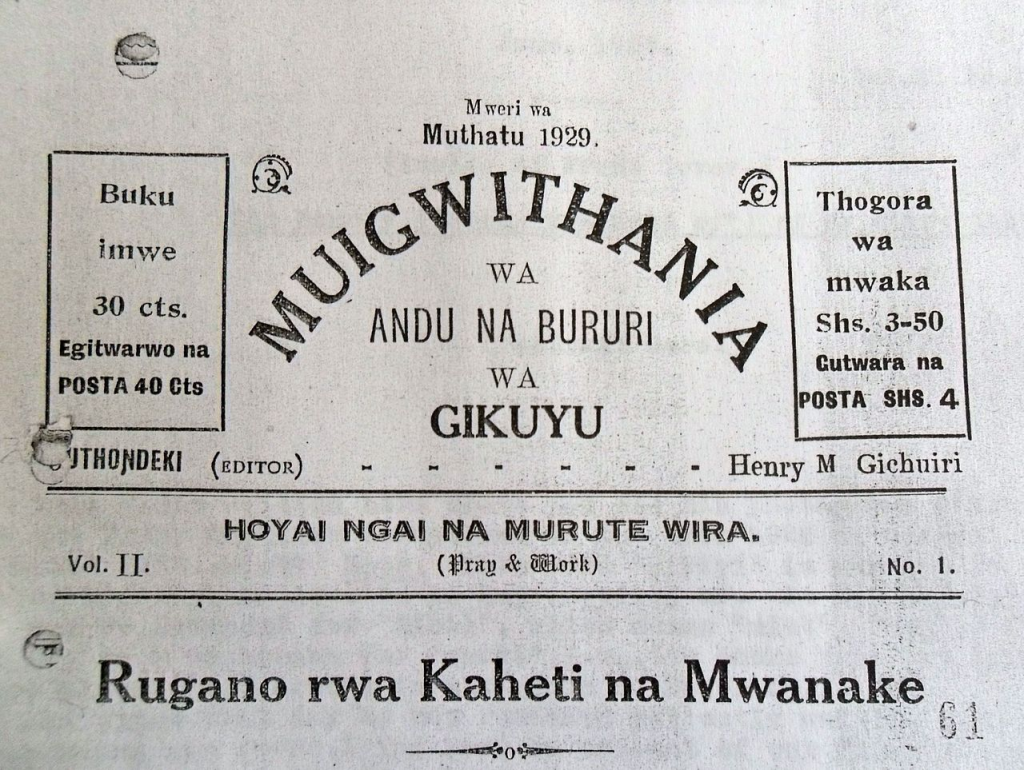
muigwithania
Muigwithania, published by the Kikuyu Central Association. Mumenyereri, run by Henry Mworia and later by Gakaara wa Wanjau. Waigua Atia. The Voice of the Embu. Wasya wa Mukamba. Eight vernacular Gikuyu publications, banned between 1950 and 1956.
The printing presses sat mostly in Nairobi, where the Kikuyu presence was dense enough to sustain distribution. As British repression increased, the publications got more radical. The British responded by requiring all newspapers to acquire licenses. Editors who refused were detained.
Gakaara wa Wanjau was arrested for his pamphlets. He wrote in prison. He kept writing after.
The colonial government understood exactly how much damage a well-distributed idea could do. Banning the press was not censorship for its own sake. It was a strategic move to break the information infrastructure of a people organizing for freedom.
Then there was Chief Waruhiu wa Kunga.
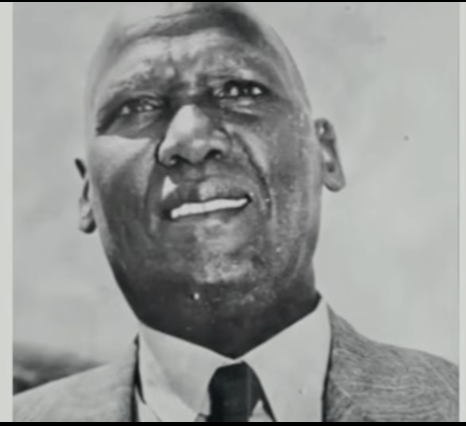
chief waruhiu wa kungu
His location consistently outperformed others in the district. He earned a reputation for results. His father had died in the 1898-1899 drought, a period called ngaragu ya ruraya, compounded by a smallpox outbreak. The chief survived because the British provided food. Some say that debt shaped his loyalties for the rest of his life.
On October 7, 1952, three gunmen dressed as native police stopped his car near Nairobi. One stepped forward and asked for the chief by name. He identified himself. They shot him. His driver and one passenger were left unharmed.
Thirteen days later, on October 20, 1952, Governor Sir Evelyn Baring declared a state of emergency. Thousands of British troops were deployed. More than 100,000 Africans were detained over the eight years that followed.
To the British, Waruhiu was a fallen hero. They buried him with full state honors. To the freedom fighters, he was a collaborator who had worked against his people’s right to self-determination.
Both things sit in the record.
Today is June 1. Madaraka Day.
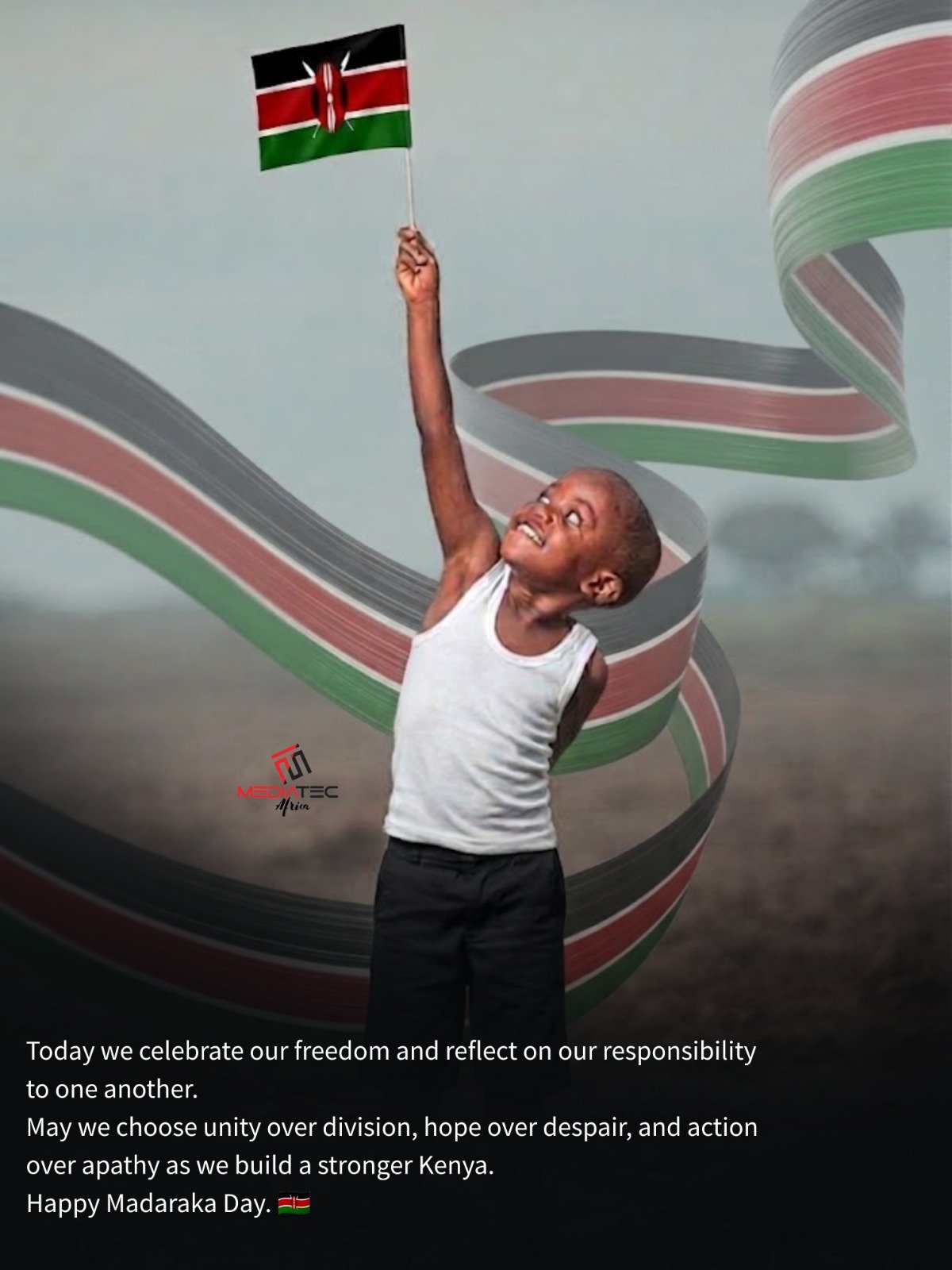
jamhuri day poster
We celebrate freedom. We also carry the weight of what freedom cost.
“Madaraka” means self-governance. The word carries responsibility inside it, not just freedom.
The men and women who ran those banned papers were practicing self-governance under occupation. They built a public that could think, organize, and resist. They did it with whatever printing press they could access, at personal cost, with no guarantee it would work.
Now look at what we have.
A political class that performs accountability without practicing it. Communication systems that generate noise at volume while moving no real information. WhatsApp forwards spread faster than corrections can be made. Broadcast media that schedules debate shows in place of actual reporting.
The tactic has shifted from banning publications to flooding the information space until nothing lands with weight. You do not have to silence the press if you make the audience distrust every press.
Gakaara wa Wanjau was detained for one pamphlet. The colonial government knew exactly what a well-distributed idea could do.
We have more tools than they ever had. Every year, Madaraka Day asks us what we are doing with them.
The political class that lacks sense does not self-correct. It responds to pressure. Pressure requires an informed public. An informed public requires people who treat communication as a civic act, not a content strategy.
Gakaara wa Wanjau knew that. He knew it in detention.
We should know it in freedom.
That walk around the farm started with a word my father said almost offhand. It ended with me understanding that land, loyalty, print, and colonial history are tangled in ways that do not untangle easily.
The fields where I fetched dam water and hid from elephants are part of a longer story. So is the meeting of men who drove cattle to the DC office. So are the banned newspapers.
So is the ‘muma’.
It was all connected.
I just had not known to look.
Get the Lastest in Communication- Media and the Latest tools
Subscribe to our email newsletter to get the latest posts delivered right to your email.